Hidden identity is one of the oldest engines in romance and one of the most reliable, because it does two jobs at once: it creates tension that does not depend on either character behaving badly, and it makes the moment of revelation carry real emotional weight. Someone is not who they are pretending to be, both people fall in love anyway, and the truth has to come out. Here are nine books that do it well, across every subgenre.
The four shapes it takes
Not all hidden-identity plots work the same way, and knowing which kind you like saves a lot of time.
The secret self. One lead is concealing what they fundamentally are — Ordinary in a kingdom of the powered, human in a vampire court, an assassin under a false name. The threat is exposure, and it is constant. This is where romantasy lives.
The anonymous author. Someone is writing, broadcasting or performing under a pseudonym and the other lead does not know. Lady Whistledown is the archetype. These tend to be warmer, because the secret is usually a source of power rather than danger.
Mistaken identity. Nobody is lying on purpose — the wrong assumption gets made early and gets harder to correct with every page. Almost always comic.
The concealed antagonist. The love interest is hiding who they are from the heroine and the reader both. This is the dark-romance version, and the reveal is a threat rather than a relief.
Nine hidden identity romances worth reading

Romancing Mister Bridgerton — Julia Quinn
The genre’s definitive hidden-identity plot, and the one the Netflix adaptation built a whole season on. Penelope Featherington has been the anonymous gossip columnist terrorising the ton for years, and Colin Bridgerton — the man she has loved since she was sixteen — is the one who works it out. What makes it land is that the secret is the source of her power, not just a lie. Our Bridgerton reading order has the rest.

Powerless — Lauren Roberts
The purest version of the trope: in a kingdom that has exiled everyone without powers, Paedyn is Ordinary and pretending not to be — and she ends up competing in royal trials alongside the prince whose family does the exiling. Every scene runs on the risk of being found out. Lighter and faster than most romantasy, and the trilogy is complete.

From Blood and Ash — Jennifer L. Armentrout
Two hidden identities running at once, which is why the twist works. Poppy is the Maiden, veiled and forbidden to be touched; Hawke is the guard assigned to protect her. The reveal is the most-discussed moment in modern romantasy and it recontextualises the entire first half. Go in unspoiled if you possibly can.
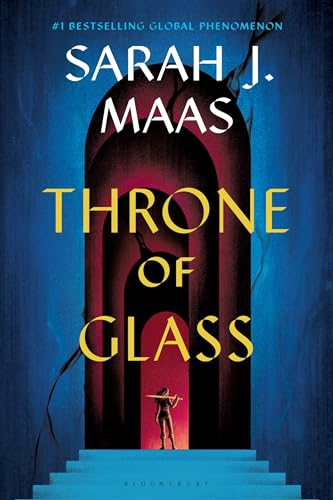
Throne of Glass — Sarah J. Maas
Celaena Sardothien enters the king’s competition under a false name, and the gap between who the court thinks she is and who she actually is drives eight books. This is hidden identity as a long game rather than a single reveal — the layers come off across the series. See our Sarah J. Maas reading order.

Gild — Raven Kennedy
Auren is the gold-touched favourite of a king who keeps her behind bars for her own protection, and what she is actually hiding is not what anyone in the story assumes. Kennedy is unusually good at writing a heroine who has been made to perform an identity for so long that she has half-forgotten her own. High heat, heavy content warnings.

The Serpent and the Wings of Night — Carissa Broadbent
Oraya is a human raised as the adopted daughter of a vampire king, entering a tournament where being human is a death sentence if anyone looks too closely. The concealment is physical and constant rather than a plot device held in reserve, which makes the tension unrelenting. The best-written world on this list.

Thank You for Listening: A Novel — Julia Whelan
The contemporary entry, and a clever one: an audiobook narrator takes a romance job under a pseudonym, opposite a male narrator working under one too. Neither knows who the other is. Whelan is a narrator herself and writes the industry from the inside — she also reads the audiobook, which is the version to get. See our audiobook narrators guide.

To Catch an Heiress — Julia Quinn
The comic version. Caroline is mistaken for a spy and taken captive by a government agent who has the wrong woman entirely, and neither of them corrects the record fast enough. Quinn before Bridgerton, and a reminder that hidden identity does not have to be angsty — done at this pace it is farce, and it is very funny.

Haunting Adeline — H. D. Carlton
The dark end. Adeline knows someone is in her house; she does not know who, and for most of the book neither does the reader in any way that helps her. Concealment here is a threat rather than a romantic device. Very heavy content warnings — this is not an entry point. Our dark romance guide has gentler options.
Why the trope works
The mechanical answer is that it manufactures a ticking clock without needing a villain. Every scene after the secret is established carries a second layer — what is being said, and what one of them knows that the other does not — and readers will keep turning pages for that alone.
The better answer is that it externalises something ordinary. Everyone has a version of themselves they show and a version they do not, and a book in which someone is loved specifically after the second one comes out is doing more than plot mechanics. The best examples here — Romancing Mister Bridgerton, Thank You for Listening — understand that the reveal is the romance, not an obstacle to it.
Related reading
Hidden identity stacks well with forced proximity, enemies-to-lovers and fake dating. Our tropes explained guide defines the ones worth combining, and how to find your next romance by trope shows how to stack them in the catalogue. You can also browse the whole catalogue by trope, heat level and subgenre.