Romance readers shop by trope more than by author, and this is the single most important thing to understand about the genre. Tropes aren't clichés — they're contracts. Each trope signals an exact emotional journey. "Fake dating" means pretend relationship becomes real; "grumpy-sunshine" means closed-off meets warm; "second chance" means they had it before and lost it. When a reader picks up a book tagged with a trope, they know what they're signing up for, and the author's job is to deliver the familiar beats in a fresh way. Here's the complete trope glossary with the books that define each one.
Quick reference: Browse the entire catalog filtered by trope, heat level, and subgenre, or jump straight to a specific trope section: Grumpy-Sunshine · Enemies-to-Lovers · Fake Dating · Arranged Marriage · Charming Menace.
Enemies-to-Lovers
They hate each other. They're forced into proximity (a shared workplace, a tournament, a road trip). The antagonism slowly converts into attraction, then into feelings. The emotional payoff is enormous because the initial stakes were so negative. Book that nails it: The Hating Game by Sally Thorne. Romantasy version: Fourth Wing by Rebecca Yarros.


Friends-to-Lovers
They've known each other forever. One of them realises it's more. The risk is losing the friendship. Lower initial tension than enemies-to-lovers but higher emotional texture — you already believe these two people know each other. Book that nails it: People We Meet on Vacation by Emily Henry.



Fake Dating / Fake Engagement / Fake Marriage
They pretend to be together for a practical reason — impressing family, fulfilling a contract, revenge on an ex, a visa, an inheritance. The fake relationship generates real feelings neither of them can explain away. The "we're pretending so why am I not pretending anymore" moment is the reader's reward. Book that nails it: The Love Hypothesis by Ali Hazelwood.


Grumpy-Sunshine
One lead is cynical, closed-off, emotionally armoured. The other is warm, optimistic, bright. The grumpy one can't help being softened. The sunshine one can't help being protective. This trope has been having a moment for three straight years. Book that nails it: Twisted Love by Ana Huang. Sports version (gender-reversed): Icebreaker by Hannah Grace.


"What's the trope called when one person is grumpy and the other is happy?"
That's grumpy-sunshine (sometimes written grumpy/sunshine or grumpy x sunshine). The grumpy character is reserved, gruff, often emotionally guarded — sometimes outright rude. The sunshine character is bright, cheerful, talkative, and refuses to be intimidated by the grumpy one's walls. The whole appeal is watching the grumpy character be slowly, helplessly disarmed by someone who is genuinely kind to them.
The variant where the sunshine character is also playful, silly, or chaotic is sometimes called grumpy-sunshine-himbo or chaos-sunshine — same dynamic, just dialed up. There's also a reverse grumpy-sunshine where the woman is the grumpy one and the man is the sunshine; Icebreaker by Hannah Grace is the standout contemporary example. Figure skater Anastasia is the controlled, anxiety-driven, schedule-obsessed lead, while hockey captain Nate is the warm, patient, easygoing one — the dynamic works just as powerfully in this configuration, and arguably more so because the gender flip makes the standard beats land in a fresh way.
If you want to read more grumpy-sunshine: filter the catalog by the grumpy-sunshine tag for the full list, sorted by reader ratings.
Second Chance Romance
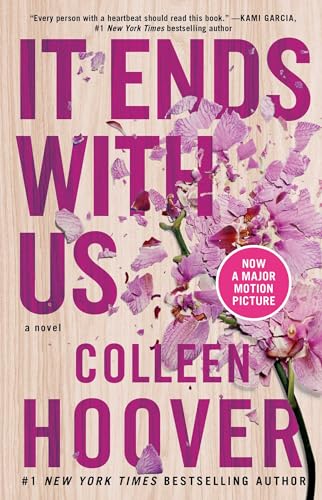
They were together. Something broke them apart — a misunderstanding, a family crisis, timing. Years later they're thrown back into each other's orbit with more emotional baggage and more wisdom. The key to a good second-chance is that the thing that separated them is real and has to be genuinely resolved. Book that nails it: Persuasion by Jane Austen (yes, the original). Modern version: It Ends with Us by Colleen Hoover (with major content warnings).



Forbidden Romance
Society, family, circumstance, or the rules say this relationship can't happen. Classic variants: best friend's sibling, boss-employee, mentor-student, enemy kingdoms, different social classes, stepsiblings, forbidden magic. Book that nails it: Twisted Love (best friend's brother — a textbook forbidden-relationship setup that doubles as grumpy-sunshine).


Age Gap
A significant age difference — usually five years or more — is either the source of external conflict (disapproving family, workplace ethics) or internal conflict (the younger lead feeling out of their depth, the older one worrying about maturity mismatch). Common pairings: older man/younger woman, older woman/younger man (often called MILF romance in the spicier end of the subgenre). Book that nails it: Credence by Penelope Douglas.


Marriage of Convenience / Arranged Marriage
They marry for a practical reason — a political alliance, an inheritance clause, a green card, a title that needs securing. Real feelings develop inside the forced partnership. Historical romance is full of these; contemporary romance increasingly uses billionaire and royal versions.
Best arranged marriage trope books to start with:

King of Wrath by Ana Huang
billionaire arranged marriage driven by blackmail, the gateway book for contemporary readers.

Marriage of Inconvenience by Penny Reid
closed-door, character-driven, beloved by readers who want emotion over heat.

The Bride by Julie Garwood
the classic historical arranged marriage book; medieval Scotland, an English bride sent to a Highland laird by edict of the king.

The Spanish Love Deception by Elena Armas
fake-engagement adjacent, often shelved with arranged marriage by readers.

The Wedding Date by Jasmine Guillory
contemporary, lighter version with the practical-reason-then-real-feelings core.
For the full filtered list, browse books tagged with marriage of convenience.
Secret Baby
A past relationship resulted in a child the other parent doesn't know about. When the secret comes out, reconnection (or confrontation) follows. This trope is divisive — readers either love it or loathe it — but when it's done well (the hiding is justified, the reveal is earned), the emotional payoff is substantial. Where to find it: common in mafia, sports, and small-town subgenres — filter the catalog by the secret-baby tag for the full list.

Single Parent Romance
One lead is already raising a child, often alone, when the romance begins. The love interest has to win over both the parent and (usually) the child, and the parent has to decide whether to risk opening their life to someone new after whatever broke the previous relationship. Distinct from secret baby in that the other parent isn't in the picture and the love interest knows about the child from early on. The emotional weight comes from the parent's protectiveness and the slow earning of trust. Book that nails it: A Little Too Close by Rebecca Yarros (small-town, single parent, grumpy-sunshine — Callie arrived in Colorado pregnant and alone nine years before the book opens; Weston is the growly pilot who keeps finding himself charmed by her daughter Sutton).


Fated Mates
Paranormal and romantasy almost exclusively. The universe, magic, or biology has decided they belong together. The tension comes from one (or both) refusing to accept the bond, or from outside forces trying to break it. Book that nails it: A Hunger Like No Other by Kresley Cole. Shifter version: anything by Patricia Briggs.


Only One Bed
They end up sharing a bed (hotel mix-up, storm, unexpected overnight). Forced physical proximity + denial + tension = a single scene that romance readers would read entire books for. Often part of larger fake-dating or enemies-to-lovers setups. Where to find it: almost every fake-dating book, pulled off especially well in The Hating Game.

Forced Proximity
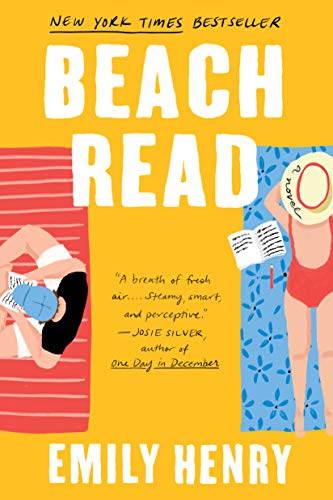
The meta-trope that contains several others. They're stuck together — roommates, snowed in, locked in an elevator, on a long road trip, assigned as partners. The setup forces emotional intimacy faster than it would naturally develop. Used in almost every contemporary romance subgenre. Book that nails it: Beach Read by Emily Henry (next-door neighbours).
Grumpy Boss / Workplace Romance
Power dynamics, forbidden-ish, often enemies-to-lovers flavoured. Has to be handled carefully — the best modern workplace romances address the ethics explicitly rather than ignoring them. Book that nails it: The Hating Game.


Bodyguard / Protector
He's paid to keep her safe (or vice versa). Physical danger produces emotional proximity, and the professional rule against involvement produces tension. Book that nails it: Credence and most of Ana Huang's billionaire books.


Charming Menace
The newer BookTok-coined trope describing a male lead who is outwardly polite, charismatic, and even flirtatious — but the charm is a thin veneer over something dangerous, possessive, or barely-restrained. He's not the brooding alpha and he's not the himbo; he's the one who smiles while being slightly unhinged. The reader's appeal is the tension between the polished exterior and the dark interior, and the heroine's growing realization that she's the one thing capable of breaking through both.
Charming menace meaning, in short: a hero whose charm is itself the threat. The smile that means trouble. The compliment that lands like a warning. Books that nail it: Twisted Lies by Ana Huang (Christian Harper — described by the author as charming and smart enough to hide that he's a monster in a perfectly tailored suit), Haunting Adeline by H. D. Carlton (note: dark romance with significant content warnings), and the male leads of most contemporary mafia romance.


Why-Choose / Reverse Harem
Multiple love interests, all endgame — the heroine doesn't choose between them, she ends up with all of them. A subgenre within the subgenre with its own devoted readership. Not for everyone but the readers who love it really love it. Book that nails it: Den of Vipers by K.A. Knight. Hockey version: Pucking Around by Emily Rath.


Opposites Attract
A catch-all that overlaps with grumpy-sunshine and enemies-to-lovers. Explicit personality, career or lifestyle mismatch creates the conflict. Book that nails it: Book Lovers by Emily Henry.


Slow Burn vs Insta-Love
Two opposite pacing conventions. Slow burn means the characters spend most of the book in tension before the first kiss or physical intimacy — the romantasy genre practically runs on this. Insta-love (or insta-lust) means they're physically or emotionally drawn together from the first meeting, and the book works out the obstacles. Neither is inherently better; they're just different contracts with the reader.
HEA vs HFN
Not a trope but a convention. HEA = Happily Ever After (they end up together, committed, often with an epilogue showing a future milestone). HFN = Happy For Now (they end in a good place but the long-term future is open). Both are acceptable romance endings. Anything else — tragedy, ambiguous breakup, death of the romantic lead — disqualifies a book from being classified as romance.
How to Use Tropes When Choosing a Book
Pick two or three tropes that describe what you're in the mood for. On the browse page, the filter lets you combine them. For example: "grumpy-sunshine + fake-dating + steamy" narrows the entire catalogue to the exact emotional flavour you want. "Enemies-to-lovers + romantasy + dark" is another strong combination. Most romance readers have 3-4 favourite trope combinations they return to repeatedly — figuring out yours is the fastest path to never picking up a book you don't enjoy.