Enemies-to-lovers is the most requested trope in romance for a reason — the emotional payoff is built right into the structure. The higher the initial animosity, the more satisfying the collapse into feelings. Done well, it's the romance trope that produces the sharpest banter, the best slow burns, and the most rereadable books. Done badly, it's two people being mean to each other for 300 pages and then kissing. Here are the ones that do it right.
Contemporary

The Hating Game — Sally Thorne
The modern enemies-to-lovers benchmark. Lucy Hutton and Joshua Templeman sit across from each other at a publishing company where two corporate cultures have just merged. They hate each other. Their rivalry has a formal list of games. Then they're both up for the same promotion. It's smart, sexy, and the tension is perfectly sustained for 300 pages.
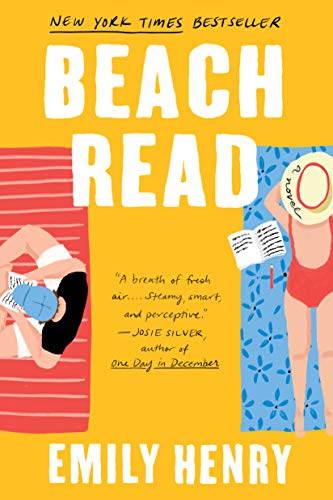
Beach Read — Emily Henry
January is a romance writer. Gus writes literary fiction about dark, weighty subjects. They were rivals in the same writing program in college. Now they're next-door neighbours on a Michigan lakeshore, both blocked, both broke, and they make a bet — she'll write a literary novel, he'll write a romance. Beach Read is the book that made Emily Henry a household name.

The Love Hypothesis — Ali Hazelwood
Not pure enemies-to-lovers (they start as strangers) but the dynamic evolves into it quickly. Olive Smith, a PhD candidate, kisses the first man she sees in the hall to convince her best friend she's dating. That man turns out to be Dr. Adam Carlsen — a young professor with a fearsome reputation, the one grad students are warned about. The "fake dating with a man who seems to hate everyone" energy is what landed this on every BookTok recommendation list in 2021.
Romantasy

Fourth Wing — Rebecca Yarros
Violet Sorrengail is forced into the Riders Quadrant at Basgiath War College. Xaden Riorson is the son of the man her mother executed and he's supposed to want her dead. The enemies-to-lovers arc drives the entire first book and the chemistry is exactly what people mean when they say "slow burn with stakes". Rebecca Yarros has three books out, with two more planned to complete the five-book series — book four is still being written, with no release date confirmed yet.
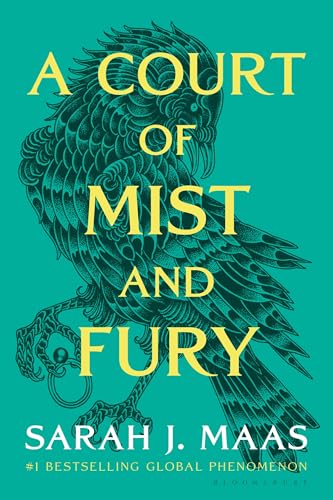
A Court of Mist and Fury — Sarah J. Maas
The enemies-to-lovers arc in ACOTAR is not the first book — it's the second. Feyre and Rhysand's dynamic in ACOMAF is the beating heart of the entire ACOTAR series and arguably the reason the whole thing became a phenomenon. You have to read A Court of Thorns and Roses first.
Dark

Twisted Love — Ana Huang
More grumpy-sunshine than pure enemies, but the dynamic has the same bones: one party is emotionally locked down, the other is forced into his orbit, friction produces heat. Ana Huang's Twisted series is the gateway for a lot of BookTok readers into the harder edges of the trope.

Punk 57 — Penelope Douglas
Misha and Ryen have been pen pals since fifth grade. They've never seen each other's faces. When Misha moves to Ryen's high school and realises who she is, he decides to punish her rather than reveal himself. Penelope Douglas writes the cruel-to-tender arc better than almost anyone in the subgenre.
Historical

It Happened One Autumn — Lisa Kleypas
American heiress Lillian Bowman is hunting for a titled husband in England. Marcus, Lord Westcliff, is the man most determined to stop her. They detest each other. They can't stop fighting. They can't stop watching each other. A Regency enemies-to-lovers that still holds up twenty years after publication.
Sports

Icebreaker — Hannah Grace
Less pure enemies and more "they start at odds and then thaw" — but the rink-sharing setup and initial antagonism fit the trope well enough. If you've seen this book on BookTok and want to understand the craze, this is your entry.
Rom-Com

Book Lovers — Emily Henry
Nora Stephens is a cutthroat NYC literary agent. Charlie Lastra is an editor who keeps rejecting her books. They meet repeatedly and antagonistically until a trip to a small town in North Carolina forces them together. Emily Henry's sharpest book.
What Makes Good Enemies-to-Lovers
The trope works when the conflict is earned — when the two leads have real reasons to dislike each other (not just bickering) and the gradual shift into attraction is tied to character growth. It fails when the "enemies" part is a misunderstanding that could be resolved with a two-minute conversation.
The best enemies-to-lovers romances share a few structural moves: the dislike starts strong, the forced proximity is meaningful (not contrived), the antagonism shifts into begrudging respect before attraction, and the first "we can't deny this anymore" moment lands at roughly the 60-70% mark. If a book rushes any of those, the tension evaporates.
Where to Start
If you've never read the trope: The Hating Game by Sally Thorne. Short, sharp, and exactly what the trope should feel like.
If you want romantasy stakes: Fourth Wing by Rebecca Yarros.
If you want historical: It Happened One Autumn by Lisa Kleypas.
If you want the literary-fiction version: Book Lovers by Emily Henry.
If you want the slow-burn payoff: A Court of Mist and Fury by Sarah J. Maas (after reading ACOTAR).