Adapting a romance novel is harder than adapting almost anything else. The best romance books live inside their characters' heads — the internal monologue, the slow shift of feelings, the way one conversation changes everything. Film has to externalise all of that. When it works, the result is one of the great pleasures of the genre: a movie you can watch once a year forever. When it doesn't work, it's a 90-minute reminder that you should have just reread the book. Here are the adaptations that got it right.
Austen-Era Classics
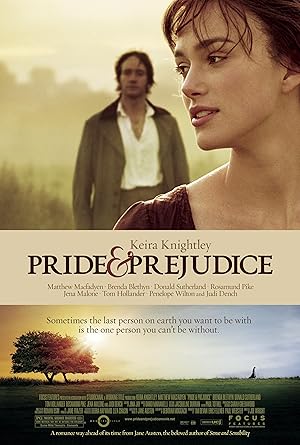
Pride & Prejudice (2005)
The definitive modern adaptation. Keira Knightley as Elizabeth Bennet, Matthew Macfadyen as Mr. Darcy, the hand-flex scene that launched a thousand TikToks. The 1995 BBC miniseries with Colin Firth is more faithful to the book, but the 2005 film is the one that modern romance readers return to on rainy afternoons. Both are worth watching.

Sense and Sensibility (1995)
Emma Thompson wrote and starred in this adaptation; it won her the Best Adapted Screenplay Oscar. The Dashwood sisters navigating love and financial precarity in Georgian England. Ang Lee's direction, an all-time great British cast (Alan Rickman, Hugh Grant, Kate Winslet). Still a high-water mark for the subgenre.

Emma (2020)
A gorgeously designed Austen adaptation that takes the comedy seriously. Anya Taylor-Joy as Emma Woodhouse. Bright, sharp, visually unlike any prior Austen film. For readers who want their Regency stylised rather than naturalistic.
Modern Classics

The Notebook (2004)
The romance film almost every romance reader has a relationship with. Noah and Allie, decades-spanning love, the rain kiss, the dementia frame. Nicholas Sparks has had many books adapted but this is the one that defined both his career and the modern romance-movie template.
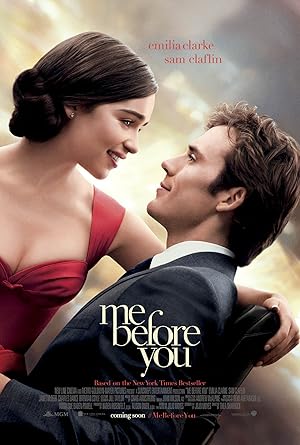
Me Before You (2016)
Emilia Clarke and Sam Claflin in the adaptation of Moyes's bestselling novel. The book and film are genuinely divisive — some readers find the ending earned and devastating; others find it ethically uncomfortable. Worth engaging with either way.

Dear John (2010)
Channing Tatum and Amanda Seyfried in a military romance about a soldier and a college student writing letters across a deployment. Sparks's most emotionally restrained book and its adaptation is similarly quiet.
Modern Rom-Com Adaptations

Red, White & Royal Blue (2023)
The First Son of the United States and a British prince secretly fall in love. The book was a cultural moment; the Amazon adaptation earned an enthusiastic fandom of its own. One of the best MM-romance films of the last decade.

The Idea of You (2024)
A 40-year-old art gallery owner (Anne Hathaway) begins a relationship with a 24-year-old boy-band frontman (Nicholas Galitzine). The age-gap romance of 2024. The film softens some of the book's sharper edges, but both versions are worth your time.

To All the Boys I've Loved Before (2018)
The YA romance that launched a Netflix franchise. Lara Jean's secret letters to her crushes accidentally get mailed. Lana Condor and Noah Centineo. Charming, gentle, a perfect first-romance-adaptation for teen audiences — and for adults who want the sweetness.
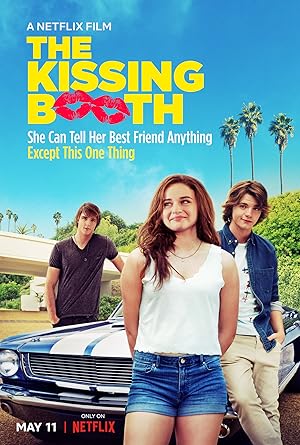
The Kissing Booth (2018)
The other major Netflix YA romance of its era. Three films total. Not as well-reviewed as To All the Boys, but devotedly watched.
Adaptations That Diverge Significantly From Their Books

My Oxford Year (2025)
A recent Netflix adaptation of Julia Whelan's (yes, the audiobook narrator from our romance audiobooks article) novel. An American student at Oxford falls for her poetry professor. The film changes several major plot points; the book is darker and more grief-filled than the movie suggests.

It Ends With Us (2024)
The adaptation of Colleen Hoover's biggest book. Blake Lively and Justin Baldoni. Content warnings apply — the book and film are both about intimate partner violence, and neither is a comfortable watch. Worth engaging with on its own terms, not as escapist romance.
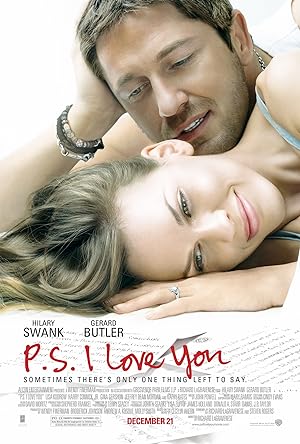
P.S. I Love You (2007)
Hilary Swank as a widow whose late husband leaves her a series of letters to help her move on. A grief romance. The film is tonally lighter than the book but the emotional core survives the translation.
Non-Adaptation Romance Films Worth Knowing
Some of the best romance films aren't based on books at all — When Harry Met Sally..., Notting Hill, Past Lives, La La Land. If you're building a romance-movie watchlist, mix adaptations and originals. The adaptations give you the comfort of knowing the source; the originals push the genre forward.
Where to Start
If you want the single greatest romance adaptation ever made: Pride & Prejudice (2005).
If you want the romance film your parents remember: The Notebook.
If you want the current BookTok-era pick: Red, White & Royal Blue.
If you want prestige literary drama: Sense and Sensibility (1995).
If you want to read before watching: Robinne Lee's The Idea of You, then watch the Anne Hathaway adaptation. The book-vs-film differences are worth the compare-and-contrast.